June 19, 2026
A beautiful lawn and thriving garden require attention throughout the year. Every season brings different challenges that affect plant growth, soil quality, and overall landscape health. By adjusting maintenance practices to changing weather conditions, homeowners can encourage stronger root systems, healthier plants, and more attractive outdoor spaces. Whether caring for a small backyard garden or a larger property, seasonal planning helps maximize results while reducing unnecessary work and resource use. Consistent maintenance also helps prevent common issues from becoming larger and more expensive problems later in the year.
Professional landscaping services can also help property owners develop strategies tailored to their region, soil conditions, and long-term goals. With consistent care and a season-by-season approach, lawns and gardens can remain vibrant and resilient throughout the year. A thoughtful maintenance schedule not only improves curb appeal but also supports the long-term health and functionality of outdoor living spaces.
Reviving Landscapes During Spring
Spring is the season of renewal, making it the ideal time to restore outdoor spaces after winter. Start by removing fallen branches, leaves, and debris that may have accumulated during colder months. Cleaning the landscape improves appearance while reducing the likelihood of pests and plant diseases taking hold. It also allows sunlight, air, and water to reach the soil more effectively. Removing winter debris early can help lawns green up faster and encourage healthy new growth throughout the property.
Once cleanup is complete, evaluate soil conditions and address any deficiencies. Adding compost or other organic matter improves soil structure and nutrient availability. Aerating compacted lawns allows oxygen and moisture to reach grass roots, encouraging stronger growth. Spring is also an excellent time for planting flowers, shrubs, vegetables, and other additions that will thrive during the growing season. Choosing plants that are well-suited to local conditions can improve survival rates and reduce future maintenance needs.
Applying a balanced fertilizer helps support healthy root development and vigorous growth. Many homeowners rely on landscaping services during spring to create maintenance plans, install new landscape features, and prepare lawns for the months ahead. Establishing strong growing conditions in spring often sets the foundation for success during the rest of the year.
Sustaining Growth Throughout Summer
Summer often brings high temperatures and increased stress on lawns and gardens. Proper watering practices become essential during this period. Deep, infrequent watering encourages roots to grow deeper into the soil, helping plants tolerate dry conditions more effectively. Watering during the early morning minimizes evaporation and allows moisture to penetrate before the day's heat intensifies. Monitoring rainfall and adjusting irrigation schedules can prevent both overwatering and underwatering.
Lawn care should also be adjusted during summer. Mowing grass slightly higher helps shade the soil and retain moisture while reducing stress on turf. Sharp mower blades create cleaner cuts and lower the risk of disease. Monitoring for common pests and signs of plant stress allows issues to be addressed before they become widespread. Inspecting plants regularly can also help homeowners identify fungal issues, insect damage, and nutrient deficiencies before they affect larger areas of the landscape.
According to Workyard, 80% of U.S. households now engage in gardening or lawn care activities. This widespread participation highlights the importance of proactive maintenance during peak growing months. Homeowners often turn to landscaping services for irrigation solutions, pest management strategies, and seasonal lawn care that supports healthy summer growth. Taking a proactive approach during summer can preserve the beauty and health of outdoor spaces despite challenging weather conditions.
Preparing Gardens for Autumn
Autumn provides an opportunity to strengthen landscapes before winter arrives. One of the most important tasks is managing fallen leaves. While excessive leaf buildup can smother grass and trap moisture, leaves can also be composted or mulched to create nutrient-rich organic matter for future use. Proper leaf management helps maintain lawn health while reducing waste and supporting sustainable gardening practices.
Cooler temperatures make autumn an excellent time for planting bulbs, ornamental plants, and certain vegetables. Root systems often establish more effectively during mild weather, giving plants a strong foundation before spring. Fertilizing lawns during this season promotes root development and helps turf recover from summer stress. Overseeding thin lawn areas in autumn can also improve density and appearance when warmer weather returns.
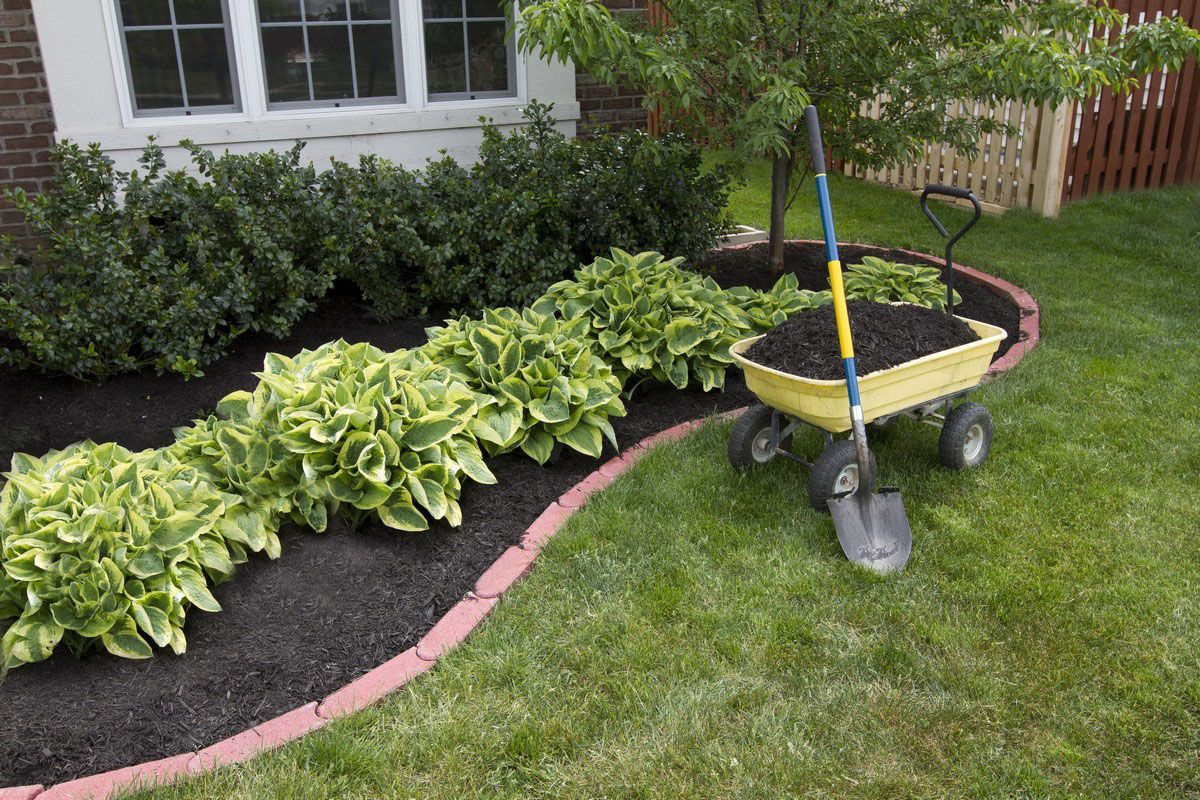
Preparing garden beds by adding fresh mulch helps regulate soil temperatures and retain moisture. Cleaning and properly storing garden tools also extends their lifespan and ensures they are ready for future use. Many property owners schedule landscaping services during autumn to handle seasonal cleanup, lawn treatments, and landscape preparation before winter conditions arrive. These efforts help create a healthier and more resilient landscape heading into the colder months.
Protecting Outdoor Spaces During Winter
Although plant growth slows significantly during winter, landscape maintenance remains important. Mulch acts as an insulating layer that protects roots from freezing temperatures and reduces soil erosion. Organic materials such as wood chips, straw, or shredded leaves can provide effective protection throughout the season. Proper mulching also helps preserve soil moisture during periods of cold, dry weather.
Shrubs and trees may also require additional care. Wrapping vulnerable plants with protective materials helps shield them from harsh winds and frost damage. Pruning dead or damaged branches reduces the risk of breakage during winter storms and promotes healthier growth when spring returns. Taking these preventive measures can significantly reduce seasonal damage and improve plant longevity.
Winter is also an ideal time for evaluating the previous year's successes and challenges. Reviewing plant performance, identifying problem areas, and developing plans for upcoming projects allows homeowners to approach the next growing season with clear goals. Strategic planning often helps landscaping services create more efficient and effective landscape designs for future improvements. Careful preparation during winter can lead to smoother project execution and stronger results in the coming year.
Adapting Landscapes While Promoting Sustainability
Modern landscape management increasingly focuses on sustainability and environmental responsibility. As weather patterns continue to shift, homeowners can improve resilience by selecting drought-tolerant plants, incorporating native species, and reducing unnecessary water consumption. These choices often lower maintenance requirements while supporting long-term landscape health. Native plants also tend to attract beneficial wildlife and adapt more effectively to local growing conditions.
Efficient irrigation methods such as drip systems and rainwater collection help conserve resources without sacrificing plant performance. Composting grass clippings, leaves, and kitchen scraps enriches soil naturally while reducing waste. Encouraging pollinators through carefully selected flowers and habitat features supports biodiversity and contributes to healthier ecosystems. Sustainable practices often provide both environmental and financial benefits over time.
Reducing reliance on chemical pesticides and fertilizers can further strengthen environmental stewardship. Natural pest management techniques, companion planting, and diverse plant selections often create balanced outdoor environments that are both attractive and functional. By combining sustainable practices with professional landscaping services, property owners can enjoy beautiful landscapes that remain productive and environmentally conscious for years to come. Small changes implemented consistently can have a meaningful impact on the overall health and sustainability of outdoor spaces.
Maintaining a healthy lawn and garden requires attention during every season. Spring preparation, summer maintenance, autumn readiness, winter protection, and sustainable planning all contribute to stronger plants and more attractive outdoor spaces. By adapting care practices throughout the year, homeowners can improve landscape performance while supporting long-term environmental health. Whether handling projects independently or working with landscaping services, a proactive approach helps create outdoor spaces that remain beautiful and resilient through changing conditions. Investing time and effort into seasonal maintenance can lead to healthier plants, improved curb appeal, and greater enjoyment of outdoor living areas throughout the year. For more information about the services that we offer, reach out to our incredible team at Pro's Touch Landscaping Inc today!