September 29, 2026
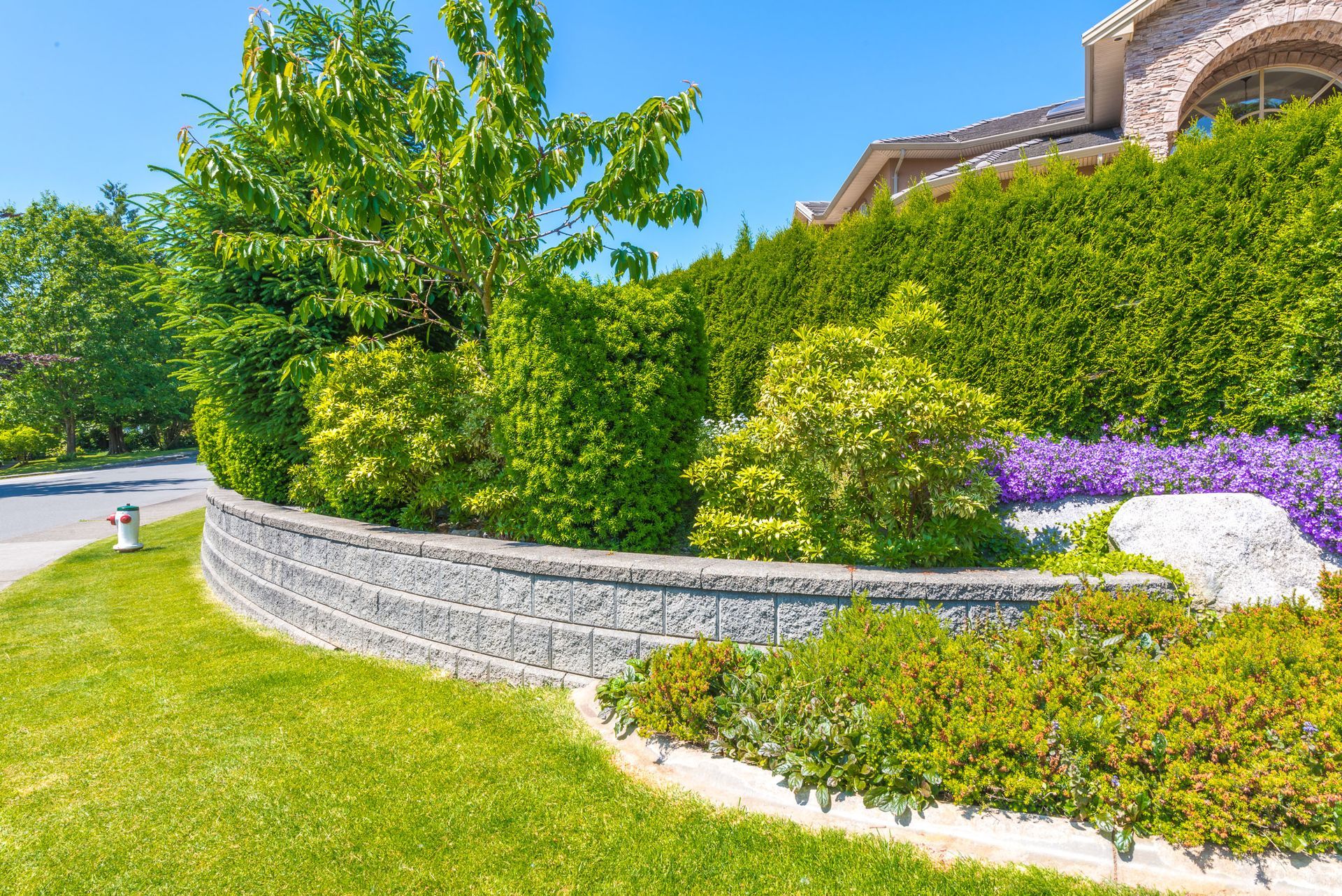
Retaining walls are more than decorative elements that enhance the appearance of a property. They serve important functional purposes, especially in areas affected by erosion, unstable slopes, elevation changes, or limited usable space. A properly planned natural stone retaining wall can help stabilize soil while adding a distinctive feature that blends naturally with the surrounding landscape. Understanding when these structures are necessary allows property owners to address landscape problems before they result in expensive damage or safety concerns. In many landscapes, retaining walls provide essential support by leveling terrain and transforming difficult slopes into practical spaces. Beyond their structural utility, these features offer numerous design possibilities, making them a popular option for property improvements. According to LawnStarter, retaining walls enhance curb appeal through their function and appearance, potentially raising home value by up to 15%. They can create defined planting areas, support patios and walkways, and establish attractive transitions between different elevations. Recognizing signs that indicate a need for additional soil support can help homeowners make informed landscaping decisions.
1. Control Erosion and Protect Soil
Erosion is a natural process in which soil is gradually displaced by water, wind, gravity, and other environmental forces. Unchecked erosion can cause significant soil loss, affecting both the stability and usability of a property. Warning signs may include exposed tree roots, bare patches, small channels in the soil, or sediment collecting at the bottom of a slope. Over time, these conditions can become more severe and may eventually threaten nearby landscaping or structures.
Installing a natural stone retaining wall can provide a physical barrier that helps hold vulnerable soil in place. This is especially beneficial on steep grades where rainwater can travel quickly across the ground and carry loose soil downhill. Slowing this movement can help preserve the landscape while creating more predictable drainage patterns. Proper construction is important because the structure must withstand pressure from both the retained soil and accumulated moisture.
Erosion control can also protect the long-term health of landscaped areas. When topsoil continually washes away, lawns, shrubs, flowers, and trees may struggle to receive adequate nutrients or establish strong root systems. Stabilizing the terrain helps preserve fertile soil and provides plants with more consistent growing conditions. Property owners may also find it easier to maintain mulch, decorative stone, and other landscape materials when erosion is controlled.
2. Identify Erosion-Prone Areas
Regular property inspections can reveal areas that are particularly susceptible to erosion. Homeowners should look for gullies, exposed roots, shifting soil, leaning plants, or unusual deposits of sediment after heavy rainfall. Areas beneath downspouts, near drainage paths, and along steep slopes often require additional attention because concentrated water flow can gradually reshape the terrain.
Changes do not always happen suddenly. Minor soil movement over several seasons can eventually create substantial differences in elevation. Keeping track of changes after storms can help homeowners recognize developing problems. When erosion becomes persistent, professional evaluation can determine whether grading, vegetation, drainage improvements, or a retaining structure would provide an appropriate solution.
3. Manage Slopes and Elevation Changes
Steep slopes can make sections of a yard difficult to maintain and use. Mowing may become challenging, planting beds may continually lose soil, and walking across uneven terrain can present safety concerns. A natural stone retaining wall can divide a steep grade into more manageable levels, providing structural support while helping the landscape appear intentional and organized.
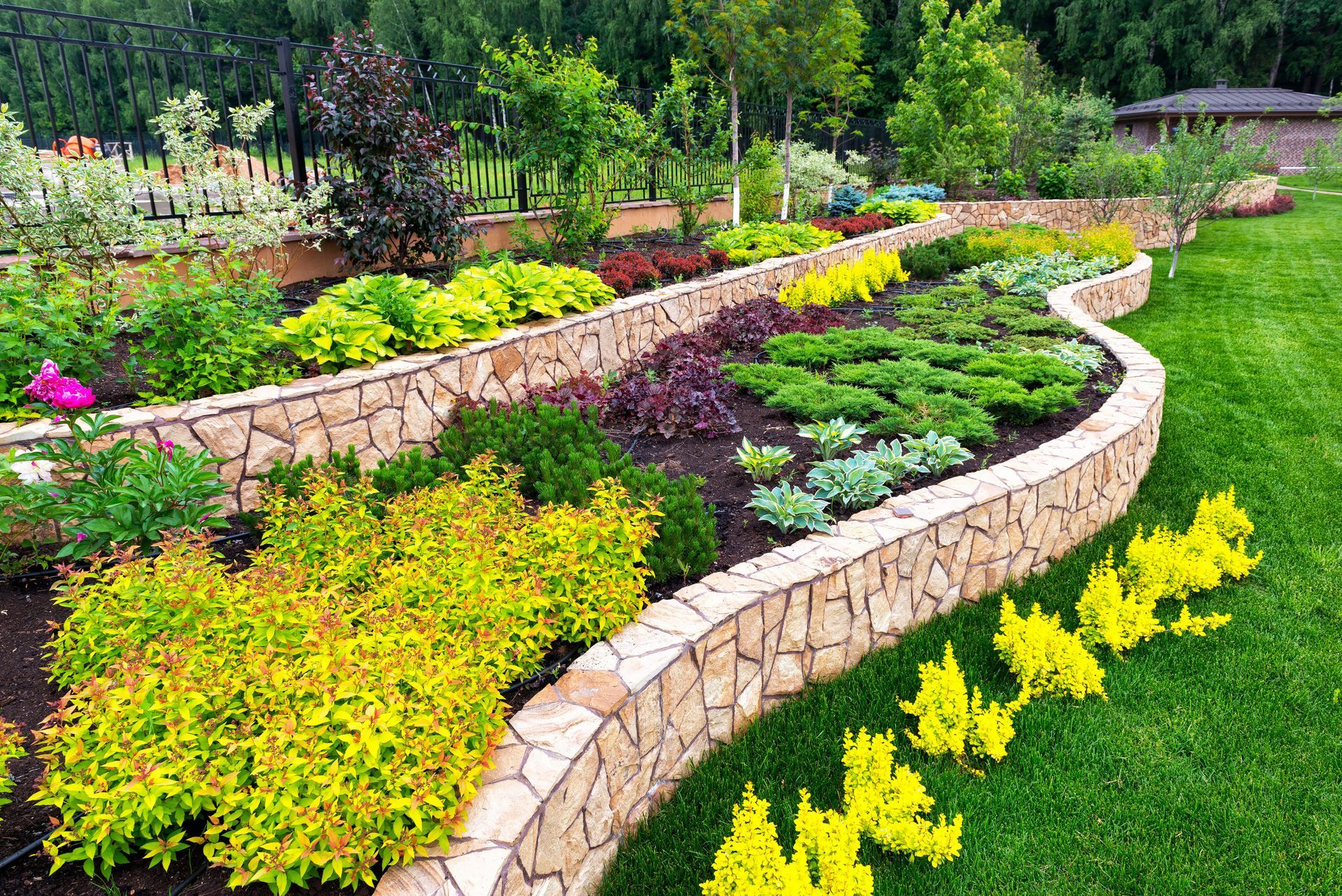
Terracing is one common approach for properties with substantial elevation differences. Instead of allowing one continuous slope to dominate the landscape, several flatter areas can be established at different heights. These areas may then be used for gardens, seating spaces, lawns, or pathways. Terracing can also make routine landscaping tasks easier because homeowners have more accessible surfaces to maintain.
Accurate slope assessment is important before construction begins. Soil composition, slope angle, nearby structures, vegetation, and water movement all influence the appropriate design. Professional surveys and site evaluations can provide measurements that help determine wall height, placement, reinforcement requirements, and drainage needs. These considerations become increasingly important as wall height and soil pressure increase.
4. Create More Usable Outdoor Space
One of the most noticeable benefits of retaining walls is their ability to reclaim areas that would otherwise have limited practical value. A steep hillside may occupy a substantial portion of a property without providing room for recreation, entertaining, or landscaping. Reshaping the grade can create level spaces that are easier to incorporate into everyday outdoor living.
A natural stone retaining wall can define a patio, garden, walkway, or seating area while supporting the surrounding terrain. Homeowners can use newly created levels for raised planting beds, outdoor furniture, decorative features, or recreational areas. The result is a landscape that makes more efficient use of the property's available square footage without ignoring its natural topography.
Thoughtful design is particularly important when multiple levels are introduced. Stairs, pathways, lighting, railings, and planting areas should work together to provide comfortable movement throughout the property. Considering these elements during the planning stage can create a more cohesive finished landscape rather than treating the retaining structure as an isolated addition.
5. Improve Property Drainage
Poor drainage is another indication that landscape modifications may be necessary. Standing water, soggy soil, washed-out mulch, foundation moisture, and persistent puddles can suggest that runoff is not moving efficiently through the property. Water traveling down a slope can also accelerate erosion, making drainage and soil stabilization closely connected concerns.
Retaining walls must be designed with water movement in mind. Drainage stone, perforated pipes, properly selected backfill, and drainage outlets may be incorporated to prevent hydrostatic pressure from building behind the structure. Without adequate drainage, trapped water can exert considerable force against a wall and contribute to shifting, cracking, leaning, or premature failure.
A properly engineered natural stone retaining wall can work alongside a broader drainage strategy to guide water away from vulnerable areas. Rather than simply blocking runoff, the landscape can be designed to control where water travels and how quickly it moves. This approach can protect soil, planting areas, hardscapes, and nearby structures while reducing water-related maintenance problems.
6. Choose Materials for the Landscape
Retaining walls can be constructed from natural stone, concrete blocks, poured concrete, timber, gabions, and other materials. Each option has distinct advantages related to appearance, durability, cost, maintenance, and structural capacity. Material selection should account for the size of the project, site conditions, desired aesthetic, and expected environmental exposure.
Natural stone is particularly appealing when homeowners want a structure that complements gardens and other organic landscape features. Because individual stones vary in color, shape, and texture, the finished wall can have a distinctive appearance. A natural stone retaining wall may work especially well alongside mature trees, traditional architecture, garden paths, and planting beds where a softer visual transition is desired.
Concrete and segmental blocks are also common because they offer consistency and can accommodate numerous structural designs. Timber can provide a rustic appearance for smaller projects, while gabion systems offer permeability and a distinctive industrial-natural aesthetic. The best choice depends on structural requirements as much as appearance, so materials should be selected only after the site's needs have been evaluated.
For homeowners seeking a durable structure with an organic appearance, a natural stone retaining wall can combine structural support with timeless visual character. Regular inspections, proper drainage maintenance, and timely repairs can further extend the life of the installation. By addressing unstable slopes, erosion, poor drainage, and limited usable space proactively, property owners can create safer and more functional landscapes that remain attractive for years to come. Contact our team at Pro's Touch Landscaping Inc today and learn more about our landscaping services.